

I have sworn off cow’s milk dairy a long time ago, due to lactose sensitivity and general unpleasant effects on my digestive system. But lately, within the last half a year or so, I revisited a drink I knew from childhood in Poland: milk kefir. It turns out that kefir has amazing benefits for gut health and because it is around 99% lactose-free due to the fermentation processes, it is also great even for many people with lactose intolerance and hypersensitivity. But how much kefir should you drink? When? And where to get it?
What is milk kefir?
Kefir is a fermented milk beverage that has been known in various cultures for centuries if not millennia.
The beverage itself typically has a slightly viscous texture with tart and acidic flavor, low levels of alcohol, and in some cases slight carbonation. Kefir is traditionally made with cow’s milk but it can be made with milk from other sources such as goat, sheep, buffalo, or soy milk.
Frontiers in Microbiology
Where can I get kefir?
While there are many kefir brands out there to buy, they tend to be rather expensive, usually more expensive than yogurt. It is because kefir is such an “it” product in the health community these days. Additionally, kefir boast many more probiotic cultures than even the best yogurt, so the price difference might make sense.
However, you can avoid the sticker shock when starting your kefir adventure by making homemade kefir. It is super easy, economical, requires almost no time commitment and no special equipment. You can make it organic, you can make it from alternative milks like goat or almond. You can drink it plain or add fruit to make a kefir smoothie. You can even strain it and make kefir cheese which is so much healthier than store bought cream cheese. The possibilities are truly endless.
The only thing you need are kefir starter grains. But first, let’s talk a bit more about what’s so special about kefir and why it is so beneficial to the gut and general health.

Calories in kefir and other nutrients
Kefir is very nutritious. 100 ml of whole milk kefir has:
- 70 kcal,
- 4.17 g of Protein,
- 4 g of fat,
- 5 g of carbs,
- Vitamins A, C, and D,
- Vitamins B2 and B12,
- Calcium (171 mg),
- Iron (0.75 mg),
- Sodium (53 mg)
- Also Phosphorus and Magnesium
Benefits of kefir for gut health and more
Kefir’s benefits are so numerous, it really should be called a superfood.
Whole kefir, as well as specific fractions and individual organisms isolated from kefir, provide a multitude of positive effects when consumed. These range from improved cholesterol metabolism and wound healing, to the modulation of the immune system and microbiome, and even the potential alleviation of allergies and cancers.
The Microbiota and Health Promoting Characteristics of the Fermented Beverage Kefir
Here are some of the health benefits that are being mentioned in studies and scientific journals:
1. Nutritional value mentioned above
2. Probiotic content that is superior to yogurt. With up to 61 strains of bacteria and yeasts, kefir can drastically improve gut health by changing the make-up of gut microbiota. One study concludes that kefir consumption has positive effects on even such hard to treat illnesses such as Crohn’s, ulcerative colitis, or other forms of IBD.
3. Anti-microbial against various harmful bacteria, including Salmonella, Helicobacter pylori and E. coli, as this study makes clear.
4. Anti-allergenic and even aiding against asthma.
5. Immunomodulating as this study claims: consuming kefir leads to “a more efficient immune response”
6. The polysaccharide kefiran present in kefir helps improve cholesterol metabolism (aids against cardiovascular disease) as this study suggests.
7. Blood-pressure lowering (“the present meta-analysis suggested that probiotic fermented milk has BP-lowering effects in pre-hypertensive and hypertensive subjects” per this study.)
8. Potential anti-cancer activity
Microbiota imbalance has been involved in many disorders including inflammatory bowel disease, obesity, asthma, psychiatric illnesses, and cancers. Oral administration of probiotics seems to play a protective role against cancer development as a kind of functional foods.
Probiotics and their role in gastrointestinal cancers prevention and treatment; an overview

Kefir and IBS
I have been dealing with gut issues for many years. I lost part of the colon to remove a cancerous tumor. The chemo treatments did a number on the lining of my intestines. Even though it’s been over five years since these traumatic interventions, my gut health was very slow to return back to normal. Bloating, discomfort, irregularity. I almost resigned myself to believe that it has to be my “new normal” following the cancer treatments that I went through.
Still, I’ve been on the lookout for the best diet to improve my gut function and to ward off the chances of cancer returning as I wrote here. I was taking different strains of probiotics in pill form and spent a fortune doing it. To little or no effect I must add. I tried dairy-free yogurt but still saw little improvement. Finally, after a reminder from my family back in Europe that I might want to try kefir, I found my Holy Grail.
Initially, the first few weeks of adjusting to this new regiment were rough. Lots of digestive issues, even seemingly worsening of the bathroom habits. But I kept trying and by week three my gut health was significantly better. I wouldn’t say, my IBS is gone completely. If I eat something I should not, like too much sugar or fried foods, I still might react adversely. But, in general, I am 85-90% better now than I was before embarking on this kefir adventure.
Homemade kefir
This post contains affiliate links. If you click on one and purchase the product I will get a small commission at no additional cost to you. For more info see the Terms and Conditions Page. Thank you for supporting Oko-Logic.
Homemade kefir is super easy to make. All you need is a clean jar, kefir grains, and milk of choice. I opt for whole or 2 % milk but once you activate your kefir grains, you can try to make goat or coconut milk kefir.
What are kefir grains?
Kefir grains are dehydrated probiotic cultures: beneficial bacteria and yeast. Kefir boasts multiple strains of these good “bugs”, many more than yogurt does. Also, whereas yogurt has only bacteria, kefir’s yeast content has additional benefits for guy health and immunity. Moreover, while yogurt’s bacteria are usually transitory – they go through our digestive tract and are eliminated with other waste products – the strains present in kefir can actually colonize our intestines and influence the balance of “good guys” vs. “bad guys” in a positive way. This is not to say that yogurt is bad. Only, that kefir might be better
Where to buy kefir grains?
There are several good companies out there selling kefir grains, but in my view, the best kefir grains are from Cultures for Health. I tried many of their starter cultures and all without exception were a runaway hit: sourdough starter, kombucha, yogurt, and kefir.
Kefir grains come dehydrated. They look like whitish granules and about one tablespoon is enough to make a quart of kefir every day (four servings of one cup per person). Costing only a few dollars, this is a great investment that can be kept for years, if not generations.
How to make kefir?
Your package of dehydrated kefir grains comes with instructions to follow. Basically, it will take a few days to get the starter going. After this initial period, the bacteria that make up the grains become hungry little beasts that feed on the sugar in the milk. This is why kefir has the tangy, slightly sour taste. The milk sugar, i.e. lactose has been eaten by the bacteria so the milk’s sweetness is gone.
After the initial dehydration period of a couple of days, you’ll be ready to make your regular batches. I take the floating grains out of the kefir and place them in a new quart jar. Then I fill the jar with new fresh milk and let it stand covered with cheesecloth on the kitchen counter for a day or night. The new kefir is usually finished within 12-15 hours. After a few hours in the fridge, it is ready to drink or process further.

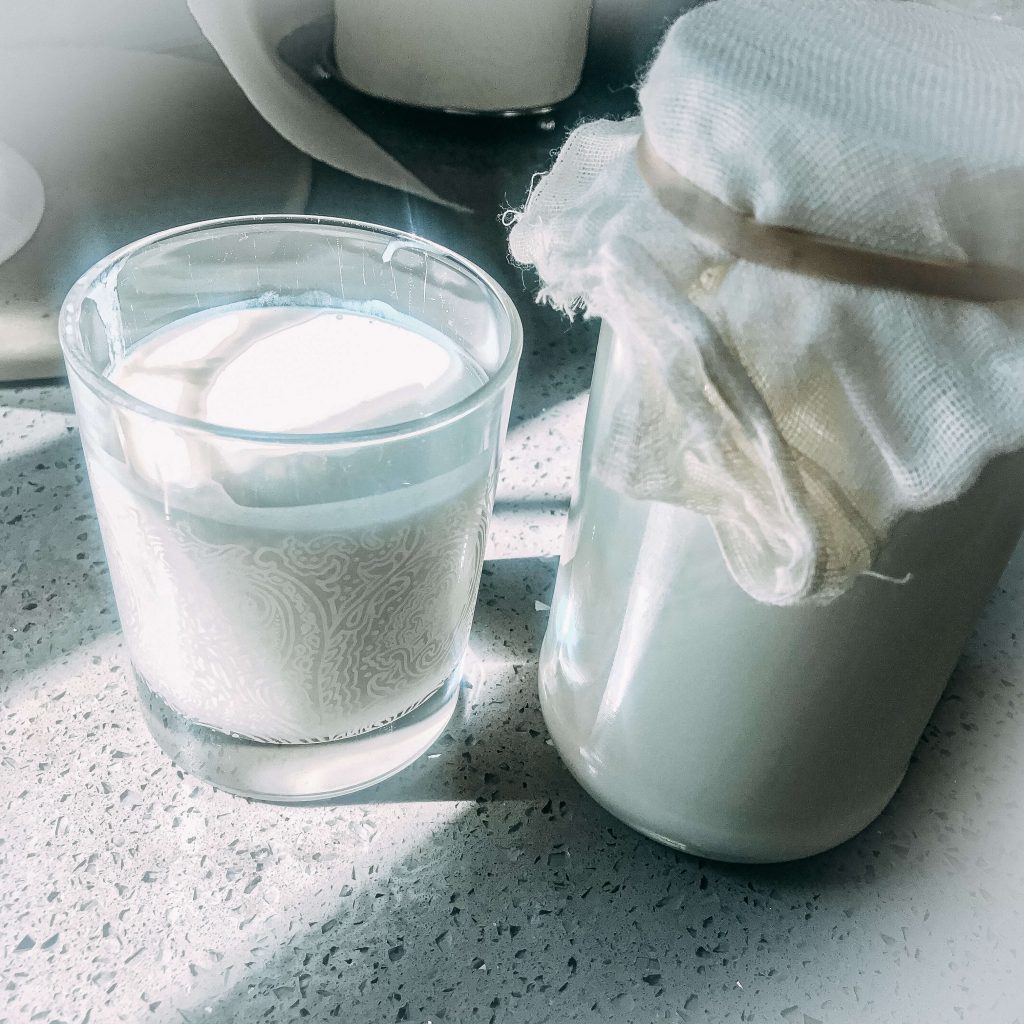
How much kefir should you drink?
I see kefir as a powerful medicine and I try not to go overboard with it. Because of the strength of the bacteria strains and yeast, too much kefir might lead to excessive bloating or gassiness or urgent need to visit the bathroom. Having experimented with the dosage, I feel best when I drink about a cup of fresh kefir per day. If I have kefir cheese handy, I might also have a couple of tablespoons of that per day. Start slow, let your system get used to the new microbiota, and then decide how much kefir should you drink. Experiment a bit until you find your optimal dose.
What’s the best time to drink kefir?
I found that personally, I prefer to drink kefir or eat kefir cheese in the mornings, before the day’s activities. Kefir will sometimes make one go, so I find it better not to drink it too close to bedtime, since I don’t want to be woken up by the urgent need to visit the bathroom. I probably would not drink kefir while traveling and being away from the facilities neither. But, everyone is different, and everyone might react differently to the drink.
How to drink or eat kefir?
As I mentioned, there are so many ways to eat or drink kefir. Here are a few ideas:
Drink plain
This is my preferred way. The effervescent drink is so refreshing and satiating! It can be used as a meal replacement as it has a good balance of proteins, fats, and carbs with the addition of all the good biota, vitamins, enzymes, and micronutrients.
Drink flavored
You can add fruit and make a kefir smoothie or add fruit juice for a more watery drink.
Use in pancakes or cupcakes in place of buttermilk
Make kefir cheese

How to make kefir cheese?
Maybe you came across a Middle Eastern cheese called Labne. It is basically a cream cheese made out of kefir. It’s tangy, a bit more tart than cream cheese, and lighter too.
It is very easy to make at home. All that is needed is a strainer and cheese cloth or coffee filters. To make kefir cheese just place your kefir in a strainer lined with cheese cloth over another container (pot or measuring cup) to collect the whey. Place in the fridge and wait a day or so. After all the whey separates from the cheese, the kefir cheese is ready to consume. Don’t throw away the whey! It makes a great base for fruit smoothies and it also has its own health benefits.

You can flavor kefir cheese to your linking:
Savory
Use chives, herbs, garlic, caramelized onion, sun-dried tomatoes, olives…
Sweet
Use honey, maple syrup, walnuts, cranberries, raisins, cinnamon…
How long does kefir last?
My kefir is ready in about a day of sitting at room temperature. After that it has to be stored in the fridge, otherwise, it will over-culture and result in the separation of whey and a more sour tasting curds of kefir. If that happens, it’s best to strain out the grains and discard the overcultured kefir. Unless of course, the whey separated only slightly and you can quickly make the curds into cheese.
After culturing on the kitchen counter for a day, you need to separate the grains and make a new batch. The remaining kefir can be stored in the fridge for up to two weeks. It would never stay there that long in my house though. It is just so good to drink!
How to store kefir grains?
Sometimes I find myself not needing a new batch every day. We could be going on a trip or having another breakfast planned during holidays or other occasions. It is very easy to slow down the production of kefir by simply placing the new milk with kefir grains in a closed jar in the fridge instead of leaving it on the kitchen counter. The grains feed on lactose only at room temperature. When refrigerated, they go dormant and can last for several days in that state.
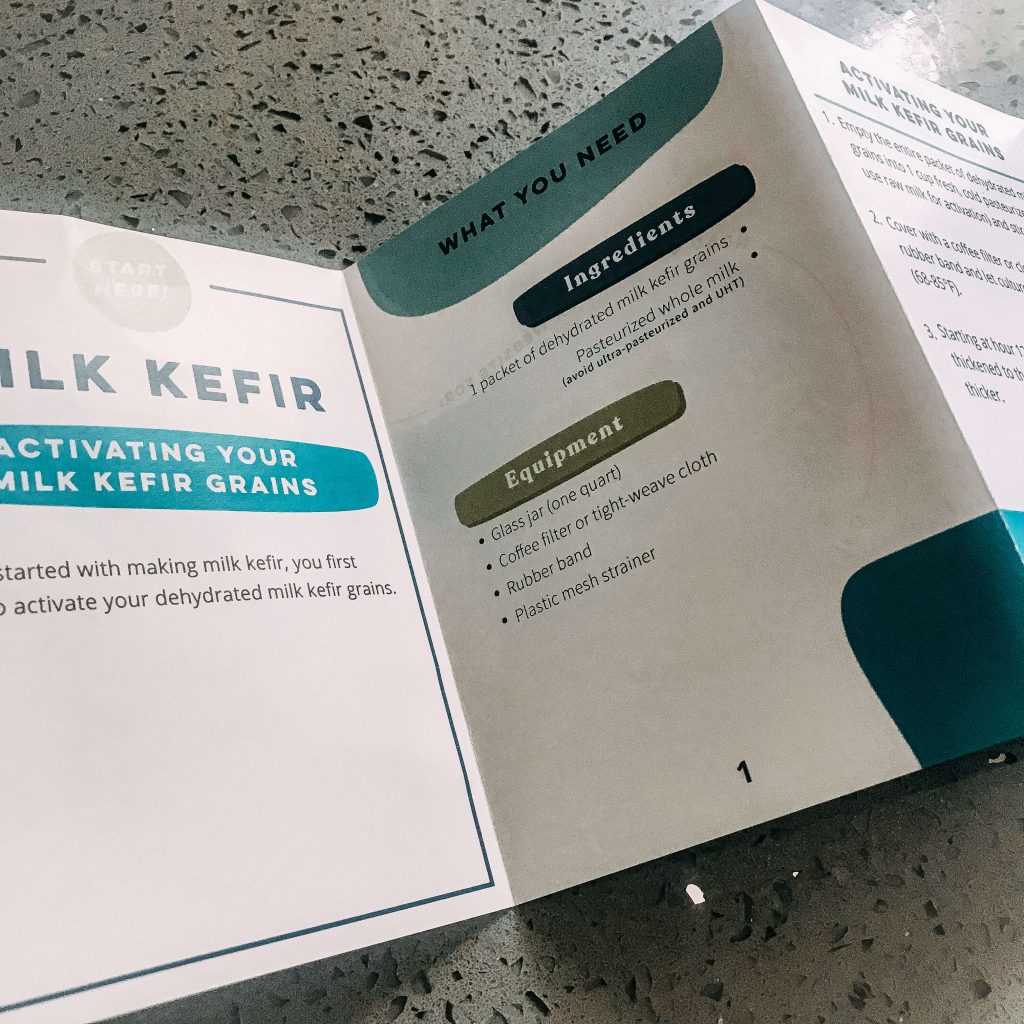
If you need a break longer than a few days, it would make more sense to dehydrate the grains for future use. The instructions that come with the package of kefir grains will explain how to, or you can click here to see what Cultures for Health have to say.
Final thoughts
I am definitely sold on homemade kefir. It is so easy to make, costs close to nothing, and it has really improved my compromised gut in drastic ways. I hope it can do that for you as well.


 Our Wakanda: Colorectal Cancer and Secrecy
This was so helpful! Thanks for sharing your amazing ideas!
This is a great example of something to help with gut health! Thank you!
It works really like magic!
I never knew any of this about kelfir! Very interesting and very informative!
I have heard of kefir but didn’t really know what it was! I am going to try some. I’m sure they have it at our Natural Grocer store. I’m not ready to try making my own yet! Gut health is so important!
Good idea! Try it first and see if you want to move on to making it (cheaper and more natural!)
Can milk kefir grains be frozen? ,and how to dry them.Thank you
Hi Cesar,
I would not freeze them for sure. If you want to take a shorter break from making kefir, you can refrigerate the grains covered with milk for up to three weeks. If you want a longer break, you’ll need to dry them: just strain them, rinse with filtered water, and dry in an undisturbed location for 4-5 days. When dry, place in the air right bag like a ziplock, add a little bit of powdered milk to cover, and then place in the fridge for up to 6 months.
I had no idea kefir had so much probiotics, and that they had so many benefits! I’ve actually tried making my own kefir in the past, and this post has reignited that desire to make it again! Thanks so much for sharing!
Yes! Turns out it is much richer in probiotics than yogurt!