

Living in California with over 290 sunny days in an average year, I often find myself wondering: What is the right sunscreen for me? How to choose the right sunscreen for your skin?
I heard someone say once that looking for sunscreen is like looking for a soulmate. I can agree with that. You need to find a sunscreen that will be comfortable enough that you will like putting it on, won’t skimp on, reapply often, and stick to it come rain or come shine. Maybe not the rain, but cloudy days for sure.
Also, I always remind myself that wearing sunscreen might not show immediate effects like in the case of a serum or a good face oil when you see the glow within few applications.
With sunscreen, we’re in it for a long haul. If we use it religiously, the benefits will be visible in the form of supple, youthful skin many years ahead. If we skip the sunscreen, our skin will age much faster than it normally would. Sunspots, wrinkles, loss of elasticity, and other general signs of aging are sure to show up earlier than they would with consistent sun protection.
How to Choose the Best Sunscreen?
Before we choose the sunscreen that suits your skin type in the best possible way, let’s repeat how important using sunscreen is. Not only is using a sunscreen the only proven way to protect you from skin cancers, it is also a proven way to keep a youthful appearance. Nothing ages you more than prolonged sun exposure – possibly apart only from smoking.
Unfortunately, SPF cannot filter 100 percent of the rays but can get quite close. The strength of SPF you choose determines how well your skin will be protected. For example, SPF 15 filters 93 percent of UVB rays, SPF 30 filters out 97 percent, and SPF 50 filters 98 percent of rays.
5 Surprisingly Simple Steps to Guide You to a Great (Not Just Good) Sunscreen
Choosing the “right” sunscreen means:
- deciding between types of sunscreen (physical aka mineral or chemical)
- choosing the preferable formula (lotion, gel, cream, stick, or spray)
- picking the sunscreen for your skin type (dry, normal, oily, sensitive)
- face vs body sunscreen
Let’s tackle all of these points now.
What Are the Different Types of Sunscreens?
The two types of sunscreens are supposedly equally effective in protecting the skin from harmful sun rays. But the way they function is very different indeed.
Chemical sunscreens function by using chemicals that absorb all or some of the UV rays.
Mineral sunscreens create a sheer veil on the skin that does not allow the UV rays to reach the skin.
Related Post: Can “Natural” Sunscreen Protect You?
Is Mineral Sunscreen Better than Chemical?
Both types of sunscreen have been approved by the FDA as effective and safe. Some ingredients of chemical sunscreen, however, have come under scrutiny in recent years, especially Oxybenzone. Since chemical sunscreens use chemicals, they might cause issues for people with sensitive skin types or in vulnerable populations like young kids and babies.
There are no similar concerns about mineral sunscreens. And while the mineral sunblock might be a bit more tricky to apply – not all that much – it is definitely a safer choice not only for humans but also for the planet. Fewer chemicals, fewer concerns.
How Does a Mineral Sunscreen Work?
A mineral sunscreen usually uses zinc oxide and titanium dioxide as the active ingredients. The particles of these two ingredients create a sunscreen barrier on the skin that blocks UV rays by absorbing and reflecting them away from the skin. In the old days, the mineral sunblock was very thick and casting a white “mask” on the skin, leaving a sunbather looking like a ghost or a mummy. But, we came a long way since then.
Right now, there are many mineral sunscreens out there that leave none or only a minimal white sheen on the skin. In order to minimize the white residue, look for nano-technology. These sunscreens have much smaller particles of zinc oxide and titanium dioxide and so the white is less visible.
Until recently, zinc oxide sunscreen formulations appeared as a thick, white paste on the skin. However, new nanotechnology has revolutionized the opaque appearance of zinc oxide by refining the zinc particles to make them smaller.
Dermveda
To find the sunscreen with nanoparticles, look for names containing “sheer zinc”, “clear zinc,” or “invisible zinc.”
Which Mineral Sunscreen Is Best?
To find the best one, you might want to try a few sunscreens on the market. It will depend on your preference and the “feel” for the formula whether you will stick to using the sunscreen or not.
Some might prefer the easy application of a spray. Others might feel more secure by applying with hands and covering every square inch of the face and body.
One person might prefer the two-in-one approach with a tinted sunscreen, others might prefer to use clear SPF first and only then apply the makeup.
Finding the “best” sunscreen will also depend on the type of activities you might be engaging in. Someone more athletic, sporty, or spending more time in the water during the summer days might need a different type of sunscreen than a person who prefers to lounge by the pool without ever setting a foot in one.
Most importantly, your choice might depend on the skin type. Just like choosing a moisturizer or makeup depends on the skin type, so does the choice of the SPF.
What’s the Best Sunscreen for Your Skin Type?
This post contains affiliate links. If you click on one and purchase the product I will get a small commission at no additional cost to you. For more info see the Terms and Conditions Page. Thank you for supporting Oko-Logic.
Personally, I tried many sunscreens. I always look for a clean option, which means a sunscreen that will be non-toxic for me and my family. Additionally, I make sure that the sunscreen is reef-safe and will not overburden our oceans.
Below, I will suggest a few options based on what I myself and my family have used and liked in the recent past.
Sunscreen for Face
Mineral Sunscreen for Dry Skin
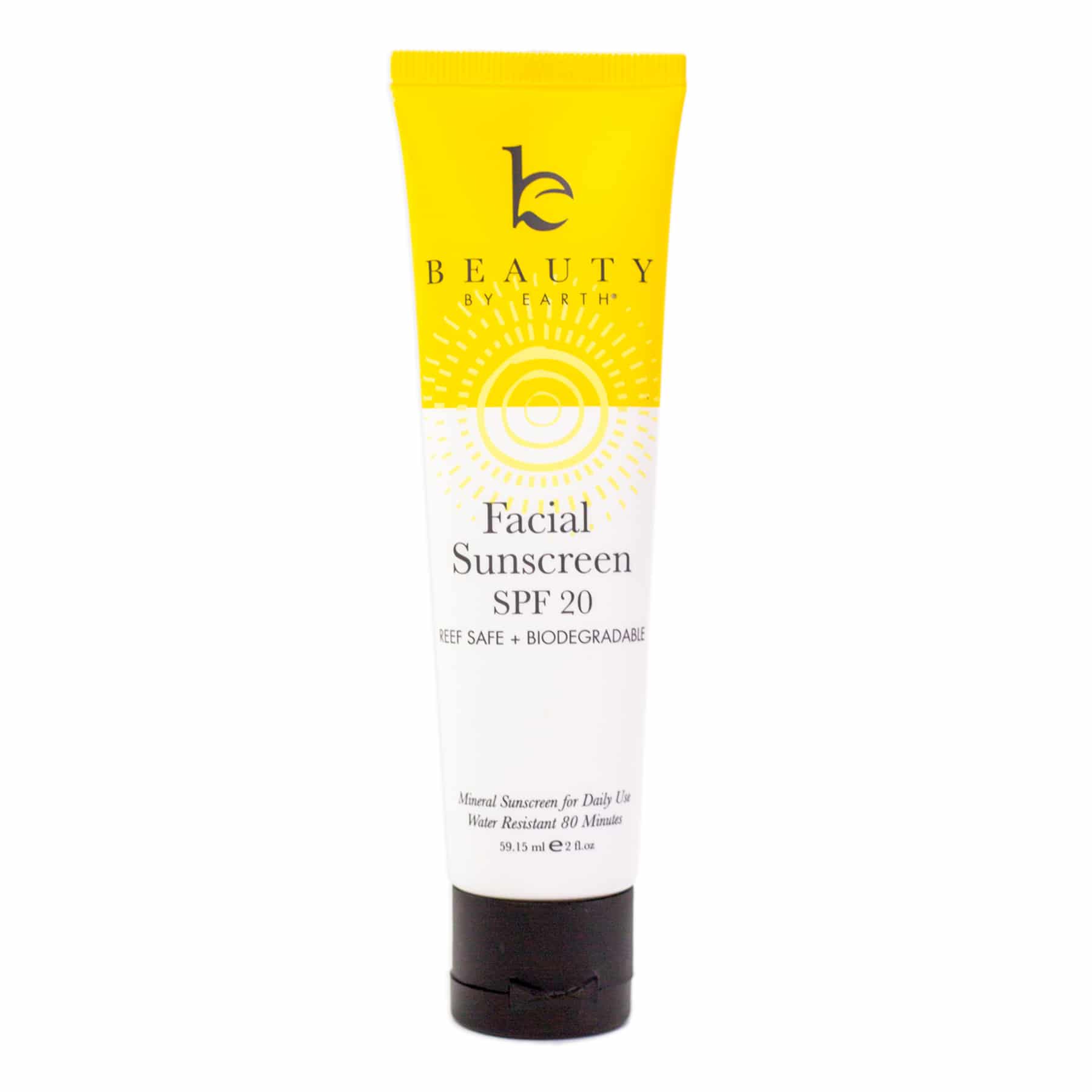
With dry skin, the goal is always about moisturizing while protecting the skin. Look for a sunscreen that offers these extra moisturizing benefits. A good choice could be a tinted face oil like this one by Kosas or the Beauty By Earth Mineral Sunscreen SPF20 with jojoba and sunflower oils to nourish and moisturize the skin.
Mineral Sunscreen for Oily and/or Blemish-Prone Skin
Oily skin might do best with a light and airy, water-based sunscreen. La Roche-Posay Anthelios Light Fluid Face Sunscreen Broad Spectrum SPF 60 is non-greasy and non-comedogenic. Another great option is Ren Clean Screen Mineral SPF 30 Mattifying Face Sunscreen which will leave the skin absolutely non-shiny. It’s not only good for you, but also great for the planet, featuring only clean green ingredients.
Mineral Sunscreen for Sensitive Skin
For sensitive skin, you want to go super clean, as any irritating agent, including fragrance, might be problematic. A nice option is Neutrogena Sensitive Skin Mineral Sunscreen Lotion with Broad Spectrum SPF 60+. It’s oil- and fragrance-free, hypoallergenic, and water-resistant. Super gentle formula for even the most sensitive skin.
For an easy spray option, go for Alba Botanica Sensitive Sunscreen Spray, SPF 50. This one is not a mineral sunscreen, but it hypoallergenic and fragrance-free. Without aerosol, it is also eco-friendly.
Mineral Sunscreen for the Body
There are so many options out there! Look for mineral, broad-spectrum sunscreen with at least 20 SPF.
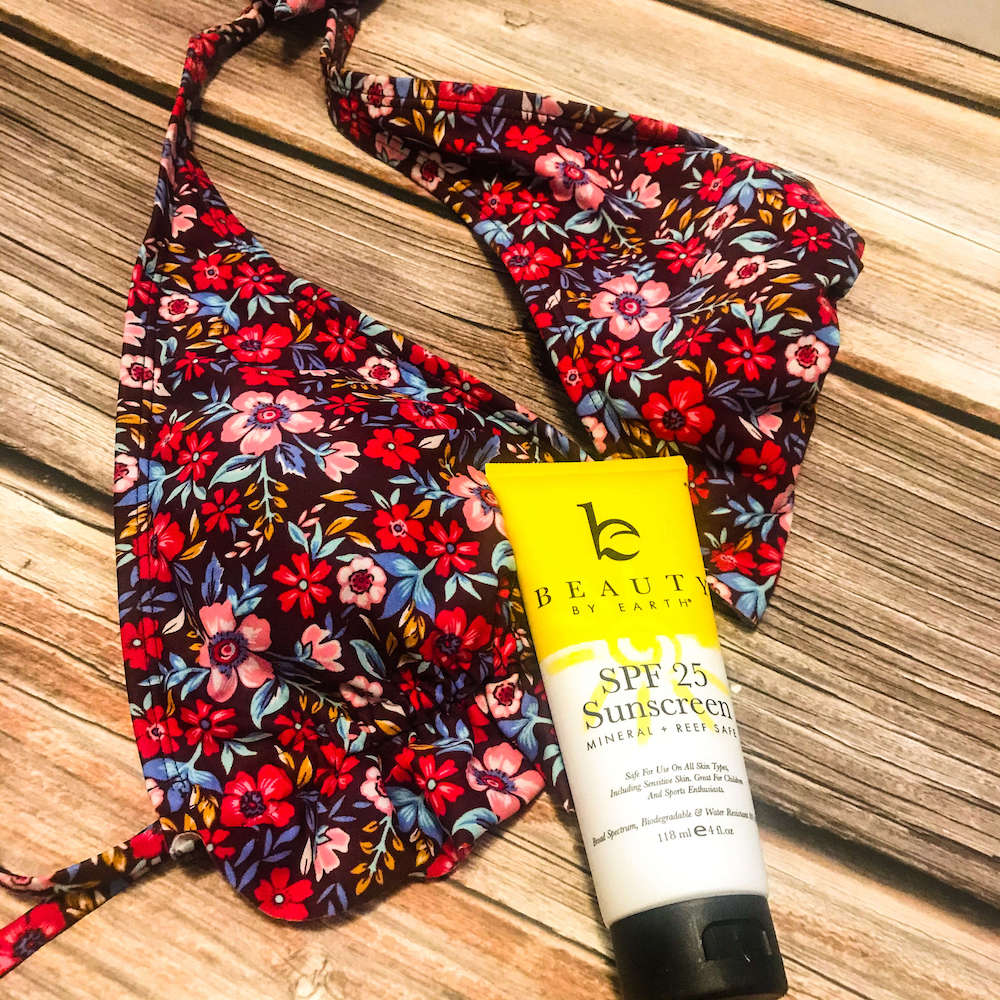
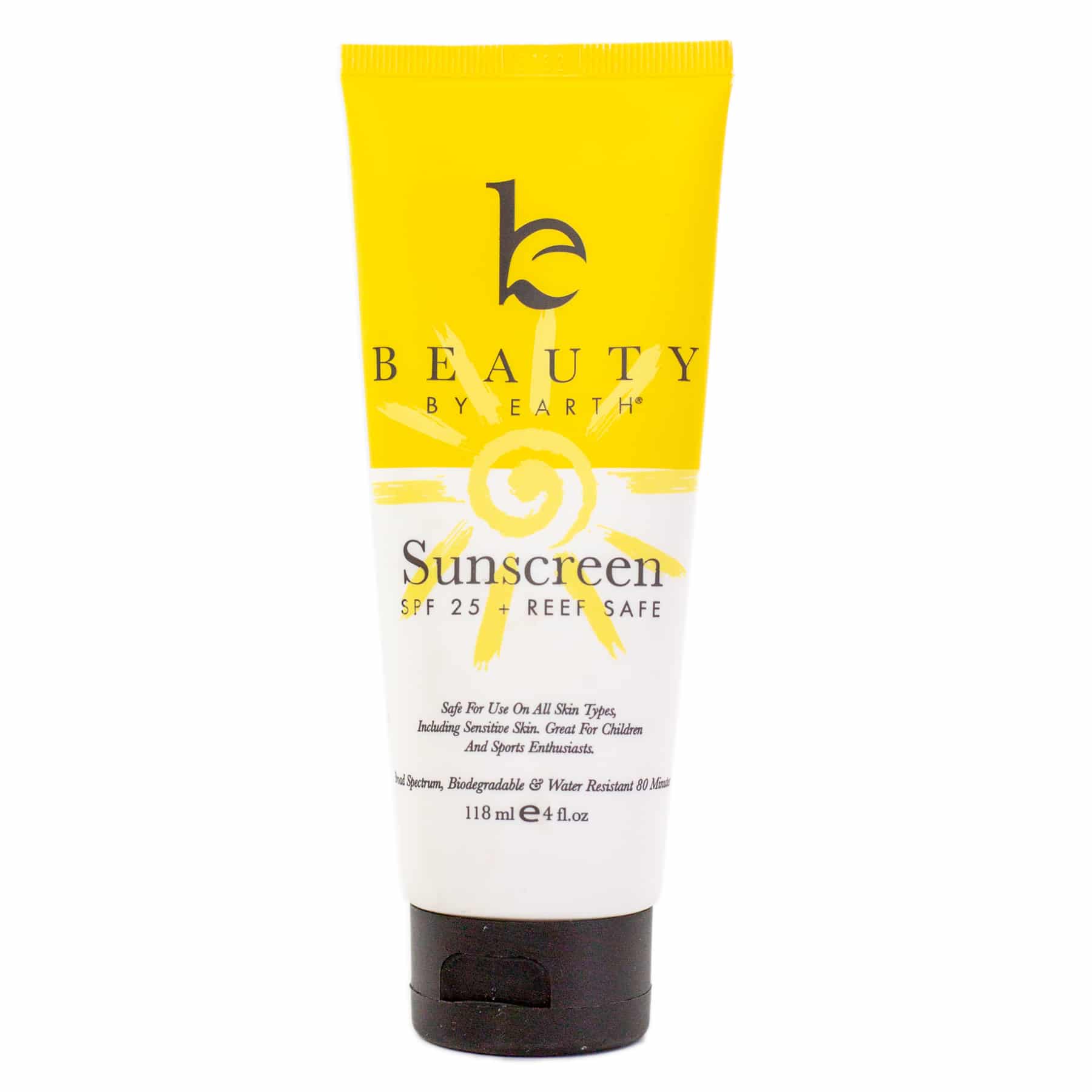
My favorite one is this Beauty by Earth SPF 25. Easy to put on, very clean (no parabens, phtalates, fragrance, or other nasties).
Another good option, especially for sensitive skin could be this one: CeraVe 100% Mineral Sunscreen SPF 30. It is oil-free and formulated with zinc oxide & titanium dioxide. It also features ceramides to keep the skin nourished and lock in moisture.

Sunscreen for Babies
Of course we want the best and the gentlest for the babies. And, something that’s easy to apply. I remember how difficult it was to put sunscreen on my kiddos. Ten years ago and more… luckily sunscreens came a long way since then.
For a gentle mineral formula, try Aveeno Baby Continuous Protection Zinc Oxide Mineral Sunscreen Lotion. It is formulated without parabens and fragrances for sensitive skin. It offers broad-spectrum protection of SPF 50. It’s also tear-free, and sweat & water-resistant. Perfect for the little ones.
Another option is the quick, out-the-door stick formula. Try Baby Bum SPF 50 Sunscreen Face Stick. Fragrance-free, formulated for that sensitive baby skin with shea and cocoa butter. Paraben, silicone and sulfate-free.
How to Apply Sunscreen the Right Way?
It is recommended to use an ounce of sunscreen on every exposed body part that you want to protect from the sun. that means one ounce for one arm, one ounce for another, one ounce for one leg, and so on. (One ounce is about as much as a shot glass)
Dermatologists suggest to double-apply sunscreen on particularly hot days and when there is lots of exposure (e.g.beach). That means applying once, waiting for it to get absorbed a bit, then applying a second layer.
when double-layered, you don’t even have to wait the 15 minutes or so which are normally prescribed as the wait period until the sunscreen is fully protecting.
Every sunscreen works for about 90 minutes to two hours. After that time it has to be reapplied. These time frames might be even shorter, if you sweat a lot or if you are in the water a lot (even if using a water-resistant type of sunscreen).
Mineral Sunscreen and Makeup
I like using a foundation with sunscreen in it. There are some wonderful clean products out there that offer both sun protection and color. Some of my faves are Kosas, Milk, and Illia.
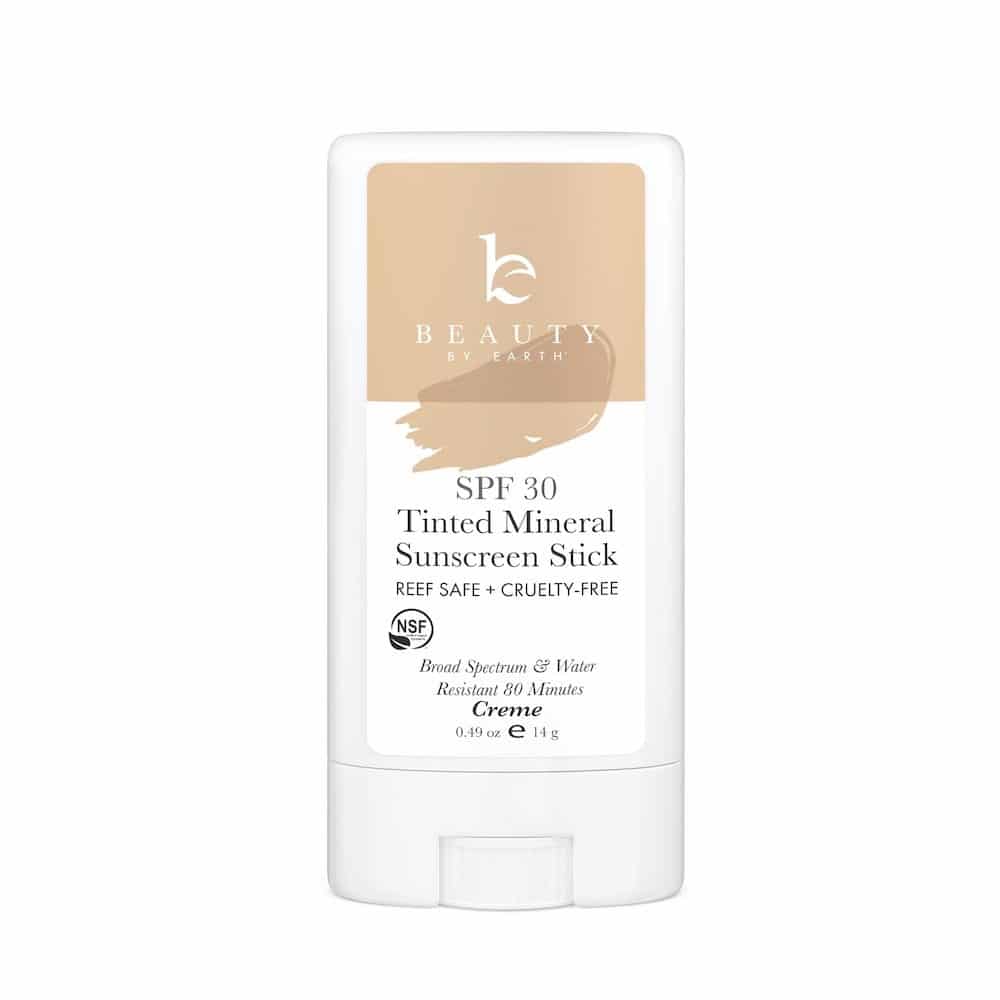
For everyday use, my go-to is a tinted mineral sunscreen like this one.
There is no need to apply a separate sunscreen first and then foundation with SPF. Even if you layer them, you only get the highest SPF protection (rather than the sum of the two.). If, however your foundation is without SPF, make sure to apply a good mineral sunscreen before putting on makeup.
When wearing makeup outdoors, I like to use an SPF powder every two hours to add some protection without re-applying the foundation.
General Do’s and Don’t’s about Sunscreen Use
Don’t get fooled by clouds. The harmful UVA and UVB rays can get through clouds, so don’t skimp on SPF when it is overcast outside. The times I got burned most in my life were cloudy days. The sun can be sneaky.
Don’t wait to apply until outside. Instead apply before heading out
Don’t apply only where skin is uncovered by clothes. Instead apply before getting dressed.
Don’t skimp on SPF. Use at least SPF 20 and use around half a teaspoon for your face and accordingly enough for your body.
Do apply on the easy-to-forget spots like ears or toes, those can get as easily burned as any other body part.
Do apply SPF even if you are going to be mainly in shade or even indoors (by the window) or in the car. Glass blocks only UVB rays, so you are still exposed to UVA. And sand and water reflect over 30% of rays, even if you spend the entire beach day under the umbrella.
Do reapply every two hours and more often if playing in water or sweating excessively.
Related Post: Direct Sunlight and Our Bodies




 How to Get Rid of Sunburn Itching with an Easy and 100% Natural DIY Spray
Thank you for this informative post about choosing the right sunscreen based on skin type. I have light skin, my husband darker and my kids in between, so definitely varying skin types. My family always has battles over sunscreen, especially the kids. Do you have any good recommendations for spray sunscreens? That seems way easier in terms of cooperation from the little ones!
Two good mineral sprays I know and use are Sun Bum and Aveeno Baby, both Mineral SPF 50. Try there and see how you like them. Enjoy!
In the past couple of years, I used Ultrasun SPF50 for the entire family. It has a few “bis” in it, but it is not as oily a others I tried (and ruined clothing with!) Not much sun in the UK either, but when it shines, it is strong. When this last bottle finishes, I want to look for a mineral one. I understand the difference better now; thanks for the information provided!
They have become so much more user-friendly now, no more white face with mineral sunscreen, woo hoo!
Thanks for the information on how to choose the right sunscreen for your skin type. I was at the beach over the weekend and I definitely used sunscreen. I used 50 and 100 SPF. The sun was harsh! I am fair skinned so sunscreen is a must when I venture outside for a few hours.
The sun is sneaky too. You won;t know you’ve got sunburned until its too late �?
Thank you for this informative post about sunscreen. I am a big fan of using an SPF 15 everyday on my face. Now I know to look for one with higher SPF. Great tips!
I use 15 in cooler months when the sun is low, but in the hot California summer, I have to up the game to 30. Luckily lots of makeup and BB creams come with SPF in them.
Great overview. Nice to know the difference between mineral and chemical sunscreens. I have super fair/freckled skin and actually got melanoma a couple years ago. I find it really hard to find good face moisturizers with a high SPF (60+). If you come across any let me know!
I would try La Roche Posay or any other European brand. They are highly regulated over there and I trust them more.